
Fall is when your lawn reveals its true character — every green blade, every stubborn weed, every promise for next spring.
As the heat fades and the air turns crisp in the Tri-Cities, it’s easy to see fall as a time to slow down. Specifically for your lawn, this is the moment to plan ahead. The lawn care choices you make today will decide whether you’re enjoying thick, green grass or battling weeds once the weather warms.
Because weeds don’t rest just because summer ends. In fact, as the University of Georgia notes, this is when they quietly compete with your turf for every advantage. During fall, many weeds shift their energy underground, storing resources in their roots to fuel a stronger comeback in spring. This hidden preparation makes fall a critical window to disrupt their cycle and limit future growth.
This guide explains why fall offers the best weed control for lawns in Kennewick, Pasco, and Richland, what treatments work most effectively, and how a thoughtful approach now sets your lawn up for healthier growth in the seasons ahead.

Why Fall Is the Best Time for Weed Control
Fall offers the most strategic window for controlling weeds in the Tri-Cities.
As the weather cools, weeds shift their focus underground, storing nutrients in their root systems to prepare for winter. This makes them especially responsive to treatment. Herbicides applied in the fall don’t just burn off the visible growth. They travel deep into the roots, disrupting the plant’s ability to survive and eliminating the chance for a strong comeback in spring.
Targeting weeds now also prevents the typical outbreak many homeowners see when temperatures warm up. Stopping them before dormancy reduces the seed bank in your soil and limits future spread.
This proactive approach as a weed killer is far more effective than trying to control mature weeds after they re-emerge in full force.
The Tri-Cities climate supports this strategy well. Cool nights and mild daytime temperatures in Kennewick, Pasco, and Richland allow treatments to work without causing stress to healthy turfgrass. Fall’s predictable weather provides the consistency needed for herbicides to perform at their best.
In short, preparing your lawn in autumn sets the stage for a thicker, greener, and weed-free yard once spring arrives.
Common Lawn Weeds in the Tri-Cities Region
Existing weeds don’t take a break when the weather cools. In fact, many weed species in the Tri-Cities thrive in fall if left untreated.
Knowing what to look for in weedy grasses is the first step toward effective control.
Broadleaf Weeds
Broadleaf weed control is easy thanks to this type of weed’s wide leaves and distinctive flowers or growth patterns. They’re common in local lawns and respond well to targeted fall treatments.

Dandelions
Bright yellow flowers that turn into fluffy seed heads. Their deep taproots make them tough to remove by hand.
Fall treatments strike at these roots when the plant is storing nutrients, making control more effective.
Clover
Low-growing with small, round leaves often marked with a white crescent. Clover spreads quickly and can crowd out healthy grass.
It responds well to selective herbicides applied in the cooler months.
Chickweed
A cool-season annual with small, white, star-shaped flowers.
Chickweed grows low to the ground in dense mats. It thrives in moist fall conditions and can quickly take over bare spots.
Grassy Weeds
These weeds often blend in with desirable turf but can spread aggressively if ignored. Fall is the best time to break their cycle before they establish themselves for the next season.
Crabgrass
Though often a summer problem, crabgrass seeds lie dormant until conditions are right.
Pre-emergent treatments in fall can stop these seeds from sprouting next season.
Annual Bluegrass
A pale green grass with boat-shaped leaf tips. It germinates in fall and survives winter, making early treatment very important.
Left unchecked, it competes with desirable turfgrass in spring.
Persistent Perennial Grass Weeds
Many perennial weeds survive fall by building stronger root systems. Without treatment, perennial weeds return even more aggressively in spring.
Fall weed control targets the roots of annual weeds directly, reducing their hold on your lawn and giving grass the upper hand.
Key Lawn Treatments for Fall Weed Control
Effective fall weed control depends on choosing the right treatments for your lawn’s needs. Each type of herbicide has a specific role in breaking the weed life cycle and protecting healthy grass.
Using the right products at the right time sets your lawn up for a stronger, cleaner start in spring.
Pre-Emergent Herbicides
Pre-emergent herbicides create a protective barrier in the soil that stops weed seeds from sprouting. Applied in fall, they prevent winter and early spring weeds like annual bluegrass and crabgrass from ever emerging.
This approach is proactive. Instead of battling weeds after they appear, you stop them before they can take hold.
Post-Emergent Herbicides
Post-emergent herbicides target weeds that are already actively growing in your lawn.
Fall is an effective time for this treatment because weeds are moving nutrients down to their roots to survive winter. Applying a post-emergent during this period sends the active ingredients deep into the plant, killing it at the source.
This reduces the chances of regrowth in spring and helps clean up visible infestations before they can spread seeds.
Selective Herbicides
Selective herbicides are designed to attack weeds without damaging your healthy grass.
These products are specifically designed to target and kill certain types of weeds, such as broadleaf invaders, while leaving the turfgrass unharmed. This precision makes them an important part of fall lawn care.
Homeowners can treat problem areas effectively without risking bare spots or stressing the rest of the yard.
Complementary Lawn Care Services That Support Weed Control

Weed control works best when paired with practices that strengthen your entire lawn. Healthy, dense turf naturally resists weeds by crowding them out and limiting their space to grow.
These complementary services help create the right conditions for long-term success.
Core Aeration
Core aeration involves removing small plugs of soil to reduce compaction and improve airflow. This process improves nutrient and water movement to the roots. This makes grass stronger and more resilient.
Aeration also allows herbicides to penetrate deeper into the soil, improving their effectiveness against stubborn weeds. Breaking up dense soil helps your lawn develop a healthier, thicker root system that naturally defends against weed infestation.
Fertilization
A well-fed lawn has a competitive edge over weeds. Fertilization in fall provides essential nutrients that help grass grow strong before winter dormancy. This boost supports root development and overall turf health.
Stronger grass can quickly fill in gaps and outcompete weed seedlings in spring. Applying lawn fertilizer as part of a fall care plan gives your lawn the energy it needs to recover from summer stress and prepare for colder weather.
Overseeding
Overseeding introduces new grass seed to thin or bare areas in your lawn. This step maintains a dense, even turf that leaves little room for weeds to establish.
Fall is an ideal time for overseeding because cooler soil temperatures and consistent moisture support good seed germination. By filling in weak spots, you prevent weeds from gaining a foothold and improve the overall appearance of your yard.
Professional vs. DIY Weed Control
Controlling weeds on your own can be challenging without the right timing, products, or techniques. DIY efforts often miss the window for best results or apply the wrong dosage, leaving weeds free to return. A professional approach treats your lawn’s specific conditions and delivers consistent, effective results.
Here’s how DIY and professional weed control compare when trying to get a weed free lawn.
| Aspect | DIY Approach | Professional Approach |
| Timing | Often mistimed or inconsistent | Precisely scheduled for fall’s best treatment window |
| Products | Basic store-bought formulas | Commercial-grade, targeted herbicides |
| Application | Risk of over/under-applying | Calibrated, consistent, and soil-appropriate |
| Customization | One-size-fits-all solutions | Customized plans for local soil and specific weed types |
| Safety | Uncertain effects on kids and pets | Carefully selected to be safe for families and pets |
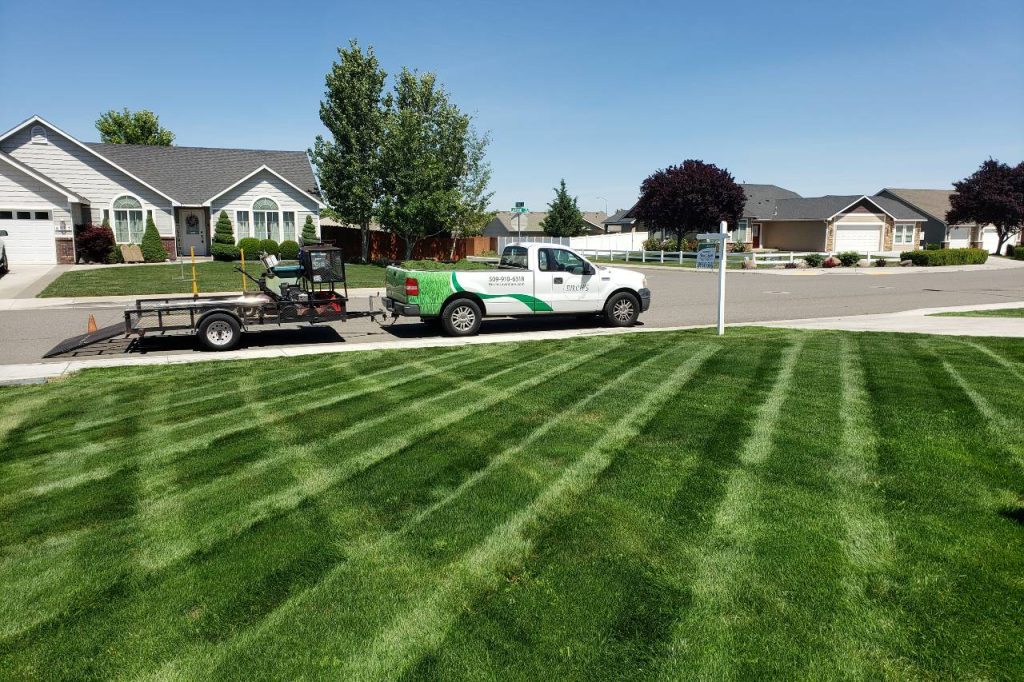
Fall: The Season to Outsmart Weeds
Fall isn’t just a time for cleanup. As temperatures drop, weeds prepare for winter by pulling resources into their roots. That’s exactly when treatments can do the most good, reaching deep to stop regrowth before it starts.
Cool nights and mild days reduce stress on turf while allowing herbicides to work effectively. Acting in fall also means fewer seeds survive to sprout in spring.
This is the time to think ahead, plan carefully, and set up your lawn for success in the seasons to come.
Let’s Make This Fall Count
If you’re thinking about the long game for your lawn, this is the season to take action. Make the most of fall’s advantages and invest in a yard that’s greener, healthier, and easier to enjoy next year.
Connect with Birch’s Lawn Care to create a fall plan that works for you — and give your lawn its best start for the seasons ahead. Contact us today!