
Pasco lawns often look rough coming out of dormancy in early spring. Cold strain, compacted ground, and saturated surfaces can leave grass thin or slow to green up across the yard.
Waiting too long may turn minor issues into larger issues. Thin turf, drainage problems, and early unwanted plant growth are easier to address now than later, when heat, irrigation demands, and costs can rise.
According to the U.S. Department of Agriculture’s Natural Resources Conservation Service, soil compaction restricts root penetration. It limits the uptake of water and nutrients, which can slow recovery for cool-season grasses emerging from dormancy.
In this guide, we’ll cover what Pasco homeowners should focus on this spring, including:
- How changing conditions affect local lawns and lawn care decisions
- Common post-winter lawn issues
- First recovery steps and inspections
- Soil preparation basics
Understanding Lawn Conditions in Pasco
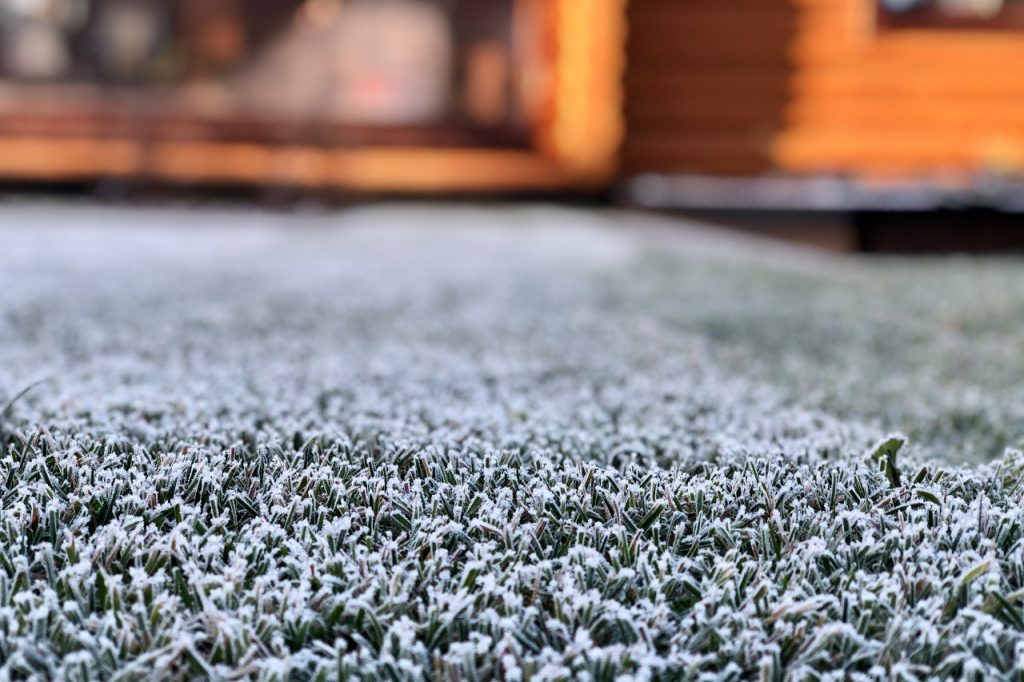
Lawns in Pasco respond more to temperature and moisture than to sunlight alone. Growth often lags expectations, especially when irrigation schedules, soil types, or foot traffic vary across the property.
Pasco’s Winter-to-Spring Transition
The shift from winter to spring is uneven. Cold nights can linger into April, week after week. Daytime temperatures can also swing.
Lawns may drift in and out of dormancy. Grass can look stalled even as daylight increases. This pattern is common in the Tri-Cities and primarily affects cool-season grasses.
Cold Stress and Dormant Grass
Cold-season strain weakens turf plants. Roots stay shallow, and growth slows as grass conserves energy.
Dormant grass is not dead. The key is to reduce surface stress and avoid pushing fast top growth that adds costs later.
Why Timing Matters
Surface conditions improve before top growth appears. Root activity increases first. Green-up follows.
Addressing issues early supports stronger roots, more even color, and a better tolerance to heat and foot traffic.
Common Lawn Issues After Winter
Cold months leave behind visible and hidden lawn problems, which usually show up as the grass begins to respond to spring temperatures.
Common issues Pasco homeowners see include:
- Thin or patchy turf
- Compacted ground
- Unwanted plant growth
- Moisture-related damage
Thinning or Patchy Grass
Grass may emerge unevenly across the yard. Cold strain and shallow roots are common causes.
High-traffic areas often recover more slowly. These spots may need targeted lawn services later in the spring.
Compacted Soil and Poor Drainage
Moist conditions compress the surface layer. Airflow drops. Drainage slows. Compaction can also keep the ground colder longer, delaying recovery and increasing stress.
Early Unwanted Growth
Unwanted plants often appear before the grass fully recovers. Thin turf gives these pests space to establish.
Delayed control allows stubborn weeds to spread, costing homeowners more later.
Snow Mold or Surface Damage
Snow mold can appear after prolonged moisture. Other damage may include weakened crowns, matted turf, or areas of dead grass. Poor air movement can also allow fungal disease to linger.
Uneven Color or Delayed Green-Up
Uneven color is common. Temperature, compaction, fertilizer availability, pests, and other factors affect your lawn’s recovery.
First Steps for Lawn Recovery

Start slow. The goal is assessment before correction.
Walk the property and note thin spots, standing water, or uneven color. These areas often recover last.
Clear leaves, branches, and debris from turf and garden beds. A light rake pass can lift matted grass and improve airflow.
Then, mark the bare areas. These zones may need grass seed in late spring.
Avoid aggressive treatments. Your grass is still recovering. Overworking it early can slow progress and add costs.
Soil Health and Preparation
Healthy growth starts below the surface. Ground conditions drive the recovery speed.
Why Soil Condition Matters
Roots activate before top growth appears. Cold or compacted soil limits oxygen movement, water absorption, and nutrient uptake.
According to Washington State University Extension, cool-season turf responds best when spring soil and air temperatures are consistently warm enough to support active growth.
Soil Compaction in Pasco Lawns
Compaction is common after wetter months. Moist ground and foot traffic press particles together. This reduces drainage and limits root expansion. It also restricts how fertilizer moves into the root zone.
Aeration Considerations
Aeration can help when your soil is moist but not saturated. Lawns with drainage issues benefit the most.
Some properties respond better once growth steadies. Results vary depending on site conditions.
How Soil Health Affects Nutrient Absorption
Nutrients move through the root zone, not grass blades. Improving the structure first helps fertilizer reach roots.
Early spring fertilization should support root development rather than force rapid top growth.
Applying fertilizer too early or too heavily can stress cool-season grass and slow recovery, while measured applications timed to root activity support long-term lawn health.
Weed Prevention and Control

Weeds compete with grass for space, water, and nutrients. Early action limits spread. That also reduces the number of treatments needed later and supports a healthy lawn.
Common Early-Season Weeds in Pasco
Broadleaf weeds such as dandelions and clover often appear first.
Grassy varieties may follow as temperatures rise. Crabgrass risk increases as heat builds into early summer.
Pre-Emergent Versus Post-Emergent Options
Pre-emergents work before weeds sprout. Timing drives results.
Post-emergents target visible growth. Spot spray can work when coverage is controlled, and the turf is not stressed.
How Weed Control Fits Into a Lawn Treatment Service Plan
Weed Control works best as part of a routine lawn treatment plan. Strong turf reduces repeat problems. It also makes the season more predictable for customers.
Watering and Irrigation Considerations
Watering in early spring looks simple, but timing and restraint matter, especially in Pasco’s changing conditions. Understanding how moisture, soil temperature, and growth cycles work together helps your lawn build stronger roots now, so it performs better when heat arrives later.
Watering Best Practices
Water lightly and allow the surface to dry slightly between cycles. This encourages deeper roots and healthier grass.
Rainfall often meets early needs. Irrigation should supplement, not replace, natural moisture.
Avoiding Overwatering
Cool, saturated ground limits oxygen. Your grass may look stressed even with plenty of water.
Overwatering can increase fungal pressure and compaction.
Adjusting as Temperatures Rise
Increase watering gradually as growth becomes consistent. Watch your lawn, not the calendar.
Early habits affect how lawns handle summer heat and drought.
Mowing and Maintenance Best Practices

Early-season mowing sets the tone for the rest of the year. Thoughtful timing, proper height, and well-maintained equipment all play a role in building thicker grass and fewer problems as the season progresses.
When to Resume Regular Mowing
Wait until your grass is actively growing. It should rebound after being pressed down. Mowing too early can weaken recovering plants.
Proper Mowing Height
A slightly higher cut protects roots and shades the surface. Avoid scalping, as shortcuts expose soil and invite weed pressure.
Equipment Readiness
Sharp equipment makes clean cuts. Dull blades tear grass and slow recovery.
If you’re using a spreader, check the calibration. Poor settings can create uneven results.
Benefits of Professional Lawn Treatment Services
Seasonal lawn care depends on timing and consistency. A professional lawn care service helps keep the plan on track.
Professional lawn care services can help with:
- Seasonal timing
- Local conditions
- Preventing small issues early
Consistency and Seasonal Timing

Scheduled lawn services support even recovery. Missed timing leads to setbacks. This affects results later in the season.
Tailored Plans for Pasco Properties
Conditions vary by irrigation, exposure, and yard layout. A lawn care provider adjusts treatments as the lawn responds. Warm-season grasses in nearby landscapes can also influence water timing.
Why Lawn Care Near Me Matters
Local lawn care companies understand regional patterns. They respond faster when conditions change. Professionals tend to spot issues before they spread.
Preventing Small Issues From Becoming Bigger Problems
Early attention limits long-term damage. Affordable lawn care services help protect your investment and manage costs.
Prepare Your Lawn for the Growing Season
At Birch’s Lawn Care, spring lawn prep starts with understanding Pasco’s soil, weather patterns, and growing conditions. Our team gets ahead of common seasonal issues like thinning grass, early weed pressure, and nutrient gaps before they turn into midsummer problems.
By starting early, we build a consistent treatment schedule that stays aligned with how your lawn actually responds as the season unfolds. That means smarter timing, fewer surprises, and a healthier lawn from spring through summer.To get started, contact Birch’s Lawn Care to schedule an early spring lawn evaluation and set up lawn services customized to meet Pasco conditions.