
Those vibrant spring lawns you admire don’t just happen by chance. They’re the result of thoughtful lawn care preparation long before the first winter frost arrives.
A key part of that preparation? Applying a final round of winter lawn fertilizer in late fall. This step helps grass build strong roots, store nutrients for the months ahead, and stand up to the common stressors the Tri-Cities area faces during cold weather.
In this post, we’ll cover why end-of-season fertilization matters, what goes into a winter blend, and the best timing for Eastern Washington lawns. We’ll also share how professional fertilizer services make the process easier and offer tips to keep your lawn strong all winter.

Why Fertilize Before Winter?
While grass growth above the soil slows as temperatures drop, the root system remains active well into late fall. Supplying the right nutrients at this stage prepares your lawn to face Tri-Cities’ winter climate and bounce back strong in spring.
Stronger Roots
Winter lawn fertilization promotes deeper, more resilient root growth. When roots penetrate further into the soil, they can access water and nutrients more effectively, which helps grass withstand frost, snow, and even periods of drought. A lawn with a strong root system is far less likely to suffer from thinning or bare patches once spring arrives.
Disease Resistance
Eastern Washington lawns can face threats like snow mold, a fungal disease that thrives under snow cover. Lawn fertilizer services in late fall help grass build natural defenses by strengthening cell walls and storing energy. The result is a healthier turf that better resists common winter stressors.
Early Spring Green-Up
One of the biggest benefits of end-of-season fertilization is how it sets the stage for lush, green growth as soon as temperatures warm. By providing essential nutrients before dormancy, you’re essentially “pre-loading” your lawn for success. Homeowners who apply winter lawn fertilizer in the fall often notice greener, healthier grass weeks earlier than untreated yards.
What’s in a Winter Fertilizer?
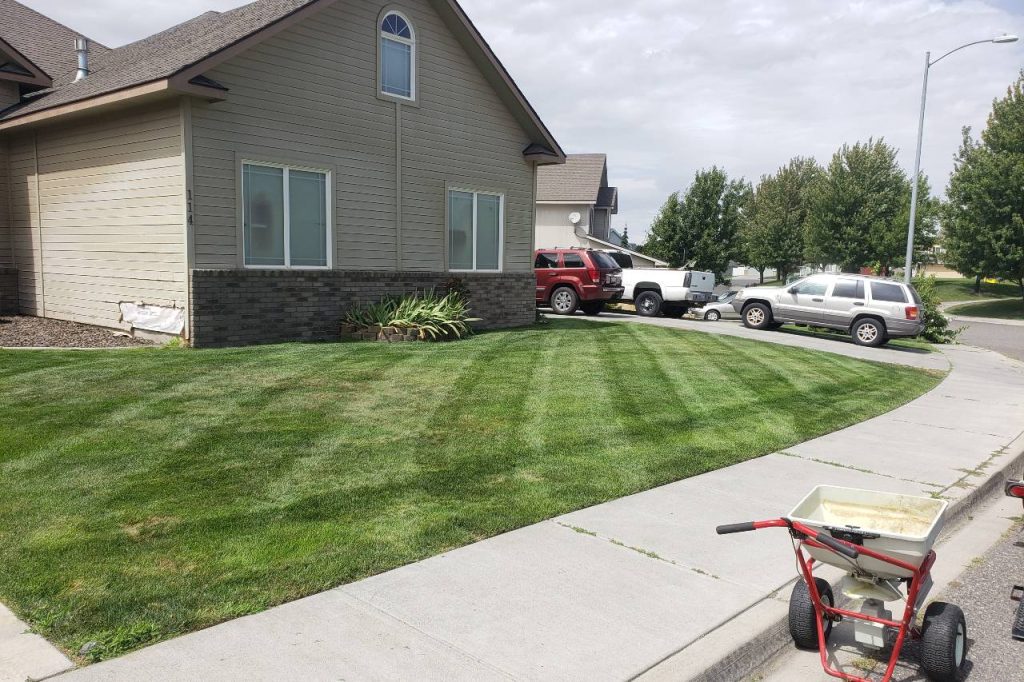
Not all fertilizers are created equal. A proper winter blend is designed to nourish the lawn beneath the surface, focusing less on rapid top growth and more on strengthening what you can’t see: the root system.
Here’s what goes into a high-quality winter lawn fertilizer:
Nitrogen for Root Growth
Nitrogen is one of the most critical nutrients for late-season fertilization. Unlike in summer, when nitrogen encourages top growth, fall applications direct energy into building a stronger root system. This deeper, denser root network helps your lawn store energy and withstand winter stress.
Potassium for Strength and Stress Tolerance
Potassium acts like a shield, increasing your lawn’s tolerance to cold, disease, and drought. A fertilizer rich in potassium prepares grass to endure the freeze-thaw cycles common in Eastern Washington. It also promotes thicker cell walls, which reduce the risk of damage from snow mold and other fungi.
Phosphorus (When Needed)
While phosphorus supports root development, it isn’t always necessary in large amounts. Many soils in the Tri-Cities already contain sufficient phosphorus, but Birch’s Lawn Care can recommend it if your soil quality shows a deficiency. The right balance ensures your lawn gets what it truly needs, without over-application.
Slow-Release vs. Quick-Release Formulas
Winter lawn fertilizer often includes a mix of slow-release and quick-release nutrients. Quick-release components give your lawn an immediate nutrient boost, while slow-release granules provide steady nourishment through late fall and into early winter. This dual approach keeps your lawn well-supported long after the first frost.
When to Apply It (Tri-Cities/Eastern WA Timing)
Timing is critical for a successful fall fertilizer application. According to turfgrass experts at WSU extension, the ideal window typically runs from mid-September to late-October—just after grass slows its top growth but before the soil consistently freezes.
Apply too early, and nutrients may fuel unwanted leaf growth or wash away with fall rains. Apply too late, and the roots won’t be able to absorb nutrients effectively. A good rule of thumb is to fertilize while soil temperatures are above 40°F and before regular hard frosts set in.
Fertilization Process with Birch’s Lawn Care

Our step-by-step process ensures that each lawn receives a customized treatment plan for the best possible results. This approach is shaped by local conditions, property needs, and a desire for long-term turf health.
Step 1: Consultation and Assessment
We begin by meeting with homeowners or site managers to discuss their property’s unique lawn challenges and goals. We then evaluate turf condition, recent growth, weed presence, soil type, and irrigation habits.
Step 2: Fertilizer Blend Selection
Using the information gathered, we select or create a fertilizer services plan that reflects both the time of year and the lawn’s needs. For instance, a newer lawn may get increased phosphorus for root development, while established lawns might benefit from higher potassium content to boost winter resilience.
Step 3: Professional Application
Technicians use calibrated spreaders to apply the blend evenly and at the right rate. Edges near sidewalks, beds, and driveways are treated with care to avoid runoff and ensure efficient use of nutrients.
Professional vs. DIY Results and Safety
While DIY options exist, the expertise required to judge timing, technique, and materials can significantly impact the results. Application mistakes—such as overfertilization—can lead to runoff, pollution, or even turf burn. Professionals also use safety protocols to protect people, pets, and waterways.
Customization for Every Property
Our fertilizer services are tailored to the grass types commonly found in Eastern Washington and various irrigation systems. This tailored approach ensures that each property receives exactly what it needs for optimal winter survival and spring performance.
Additional Tips for Healthy Winter Lawns
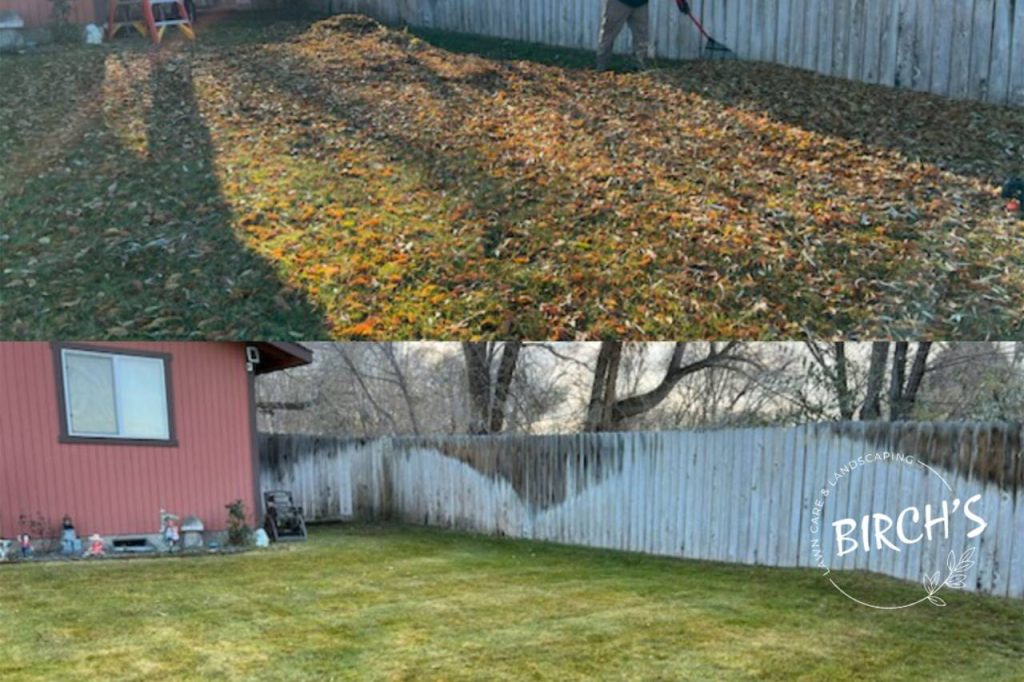
Lawn health depends on more than fertilizer alone. These practices further enhance your fall and winter results:
- Final Mow Height: The mowing experts at John Deere recommend lowering the mower deck to about two inches or lower for the last cut of the fall. Shorter grass resists matting, snow mold, and molds due to excessive moisture.
- Leaf Removal: Keep the lawn clear of heavy leaf layers, which can smother grass and block fertilizer from reaching the soil. Rake regularly or use a mulching mower.
- Aeration and Overseeding: Aerate to relieve compaction and let water, air, and nutrients reach the roots. Overseed with fresh grass seed if your lawn is thin. Pairing these services before winter lawn fertilizer allows for even better root growth and disease resistance.
Common Mistakes to Avoid
Common issues with end-of-season fertilizer services can set lawns back, even for attentive owners:
- Fertilizing Too Early or Too Late: Both can waste product and limit benefits, especially in unpredictable fall weather.
- Wrong Fertilizer Type: Using formulas meant for spring/summer can leave your lawn soft and vulnerable, instead of tough for winter.
- Skipping Fall Fertilizer: Some skip it, hoping spring will heal all, but this often leaves grass weak and highly susceptible to patchy growth and weed takeover in March and April.
Set Your Lawn Up for Spring Success
Applying winter lawn fertilizer in fall sets the stage for a strong, green lawn when Eastern Washington thaws out. The right blend at the right time helps roots store energy, strengthens resistance to winter illness, and primes your turf for a head start in spring.
Don’t leave your lawn out in the cold. Contact Birch’s Lawn Care today to schedule your end-of-season fertilizer service and set your lawn up for spring success.