
Is your lawn ready for winter, or are you setting it up for a disappointing spring?
Because here’s the truth. Even if you spend your autumn weekends raking leaves and feeling satisfied with a job well done, that’s not enough.
Instead, there’s one simple step that makes a world of difference when spring returns: scheduling a fall fertilizer service. Lawn experts agree: autumn is the season to give your grass its best shot at thriving once the snow melts and the days warm up.
According to the National Association of Landscape Professionals, fall is considered the single most important season to fertilize cool-season grasses, and the one most often overlooked by homeowners.
Investing a little time in fall fertilizing does more than just see your lawn through the cold months. The real payoff comes in early spring, when your yard greens up faster, grows thick and lush, and shrugs off weeds with ease. Lawn fertilization might seem like just another task to fit in before winter, but a little effort now means months of healthier, better-looking turf ahead.
Let’s dig into what’s happening beneath the surface and why timing your fall lawn fertilizer is so important, especially if you’re in the Tri-Cities area.
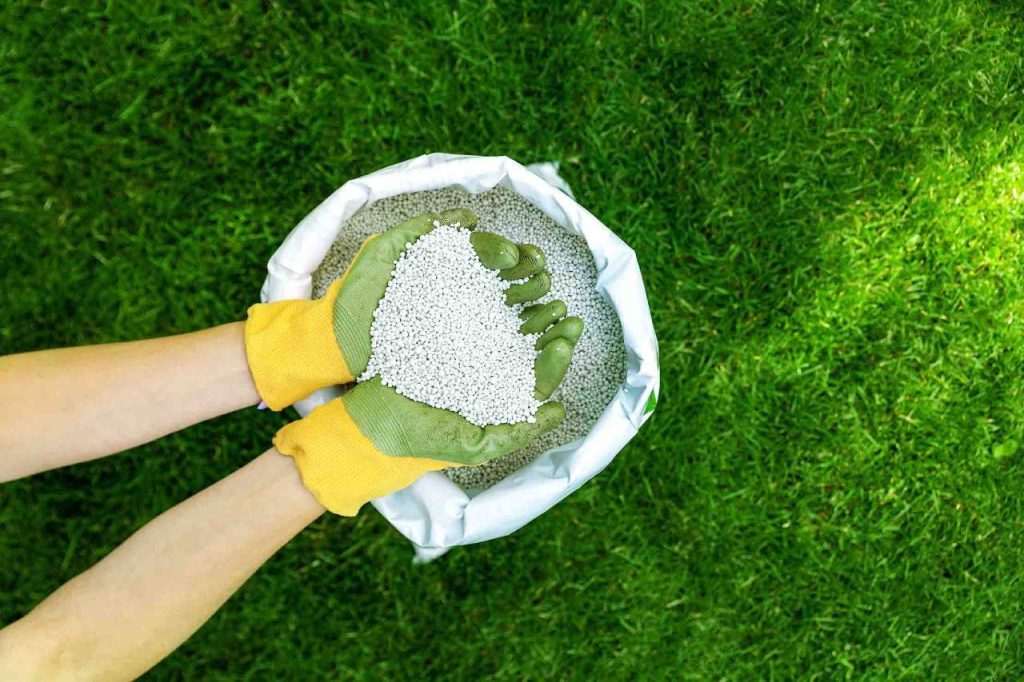
Why Fall Grass Fertilizer Matters
When you look at your green lawn in October, you might not see much happening. Growth above ground slows as days get shorter and cooler. Meanwhile, underground, the grassroots are busy. Most of the energy your turf absorbs during fall goes to encourage deep root growth.
A well-timed fertilizer service loads your soil with nutrients needed for this underground growth phase. Strong roots can reach deeper for moisture, resist winter diseases, and store up energy for spring.
That’s why skipping fertilizer in fall often means yellow, patchy grass appears in spring, rather than a green carpet.
You can think of fall lawn fertilizer service as a form of winter prep. With this lawn care, you’re investing in root health, disease resistance, and your lawn’s ability to thrive after snow and frost clear out.
What’s in a Fall Fertilizer Blend (and Why It Matters)
What sets a fall fertilizer blend apart from spring or summer formulas? This lawn treatment comes down to balancing three main nutrients (potassium, nitrogen, and phosphorus) to match what Pacific Northwest lawns need right now.
Potassium
This is the star of fall blends. It helps fortify root systems, allowing grass to handle stress and survive cold snaps. In the Tri-Cities’ climate, higher potassium ensures your lawn can handle the cycles of freeze and thaw.
Nitrogen
Nitrogen is included, but at a moderate rate. While nitrogen pushes blade growth, too much in fall can leave grass vulnerable. Instead, a balanced amount supports recovery from summer heat and keeps the lawn green.
Phosphorus
In most fall blends, phosphorus is low. Unless a soil test shows your property is lacking, only a small amount is necessary. Extra phosphorus doesn’t help unless there’s a proven need.
Timing Is Everything: When to Fertilize in the Fall

When you apply your fall fertilizer matters almost as much as what’s in the bag. The correct timing delivers nutrients while the grassroots are still active and able to absorb them.
For the Tri-Cities, the best window for fall fertilizer service comes in late September through October. You need to apply when daytime temps are cool (typically 50s to 60s) but before the first real freeze. Grass should still be green and growing, even if not at its summer pace.
Kennewick often sees its first frosts by mid-November, with Pasco and Richland just behind. Once the ground freezes hard, nutrients can’t work into the soil. If you wait too long, the product may wash away or sit on the surface, never reaching the roots.
To check if your lawn is ready, dig a small patch about four inches deep. If the soil is still workable and moist, you’re in the right window for fertilizer service. Once the ground gets hard and dry, the window has closed.
What Happens If You Wait Too Long
Delaying fall fertilizing may seem minor, but the risks for your lawn can add up fast. When the ground freezes, even the best fertilizer blend can’t penetrate. Nutrients remain locked above the root zone, out of reach until spring.
This leaves your grass with weak, shallow roots going into winter. Come March, lawns that missed their fall application often look thin, with yellow spots or bald patches. There’s also a higher chance of mold and disease showing up after snow or heavy frost.
A late application means missed results. You can’t “make up” for lost time in spring, no matter how much extra product you use. That’s why we always remind clients in Kennewick, Pasco, and Richland to get the timing right for fall fertilizer service.
DIY vs. Professional Lawn Fertilization Service: What’s the Real Difference?
Some property owners take the do-it-yourself route, buying bags from a local garden store and spreading them by hand or with a simple push spreader. While that can work for small yards, there are risks and challenges to consider.

Professional Lawn Fertilizer Service Offers:
Hiring a professional for your lawn fertilizer service comes with several advantages tailored to your local environment. Experts understand the unique needs of Tri-Cities lawns and have access to specialized tools and knowledge.
Here’s what professional lawn service typically includes:
- Local soil knowledge: Tri-Cities turf sees unique climate swings and soil types. Professionals use soil test data to select the right blend and timing, reducing wasted product.
- Proper application: Commercial spreading equipment gives even coverage—no missed stripes or overloaded patches.
- Integrated services: Most pros combine fertilizing with aeration, which boosts nutrient absorption and root growth.
DIY Risks Include:
Choosing the DIY route might seem convenient, but there are some important risks to consider before tackling fall fertilizing on your own. Without expert input or professional equipment, mistakes are easy to make. Here are some common pitfalls:
- Wrong mix: Store blends are often general, not formulated for local turfgrass or soil.
- Timing errors: It’s easy to misjudge the weather or ground warmth, leading to a wasted application.
- Equipment limitations: Small push spreaders don’t always provide even coverage, which can cause burned or uneven patches.
For commercial properties or busy homeowners, booking a professional provides peace of mind and better results. In our practice, the lawns that look best each spring are usually the ones that received professional attention at the end of the previous season.
Fall Fertilizer Service Is Your Lawn’s Insurance Policy
Think of a timely fall fertilizer service as a way to secure your lawn’s health for the next year. The right blend, applied at the right moment, sets roots up for strong growth, disease resistance, and maximum green-up in spring.
Waiting too long or skipping fall fertilizer service leaves you playing catch-up and pumping extra time and money into repairs when spring arrives. In the Tri-Cities, where winters can swing between damp and dry, early action is even more important for a lush, healthy lawn.
If you want to avoid patchy, weak grass next year, take this as your sign. This fall, plan ahead. At Birch’s Lawn Care, we offer professional, locally informed fall fertilizer service designed for your soil, your schedule, and your long-term curb appeal.Don’t miss your window. Schedule your fall fertilizer service while you still can. Contact us for a free estimate!