
The Tri-Cities climate is tough on lawns, especially in winter. Cold nights, sudden warm-ups, light snow cover, and long dry stretches create repeated freeze–thaw cycles that compact soil and stress grass roots.
Early spring care determines whether your lawn struggles or develops healthy grass that can handle summer heat and drought. Even when winters feel “mild,” those temperature swings quietly take a toll below the surface.
Tri-Cities winters and local climate isn’t known for heavy snowfall. However, the combination of cold, fluctuating moisture, and a relatively short growing season leaves turf thin, patchy, or slow to green up once temperatures rise. That’s why spring lawn problems here rarely come out of nowhere.
A proactive lawn treatment plan, started early, helps reverse that damage before it compounds into bigger issues during the heat and drought of summer. This guide breaks down how Tri-Cities homeowners can revive their lawns and foster a well maintained lawn after winter and prepare for strong, healthy growth throughout the 2026 season.
Here’s what we’ll cover:
- How to assess post-winter lawn conditions before issues spread
- Early spring clean-up steps that improve airflow and recovery
- Soil testing and treatment recommendations for Tri-Cities soils, no matter the grass type
- Aeration and overseeding strategies to rebuild thin areas
- How to launch a 2026 fertilizer plan for season-long strength
- Early weed control timing that prevents weed takeovers in late spring or early summer
- Spring watering adjustments that support deeper and healthy roots
- Why a professional treatment plan delivers better long-term results
Step 1: Assessing Post-Winter Lawn Conditions
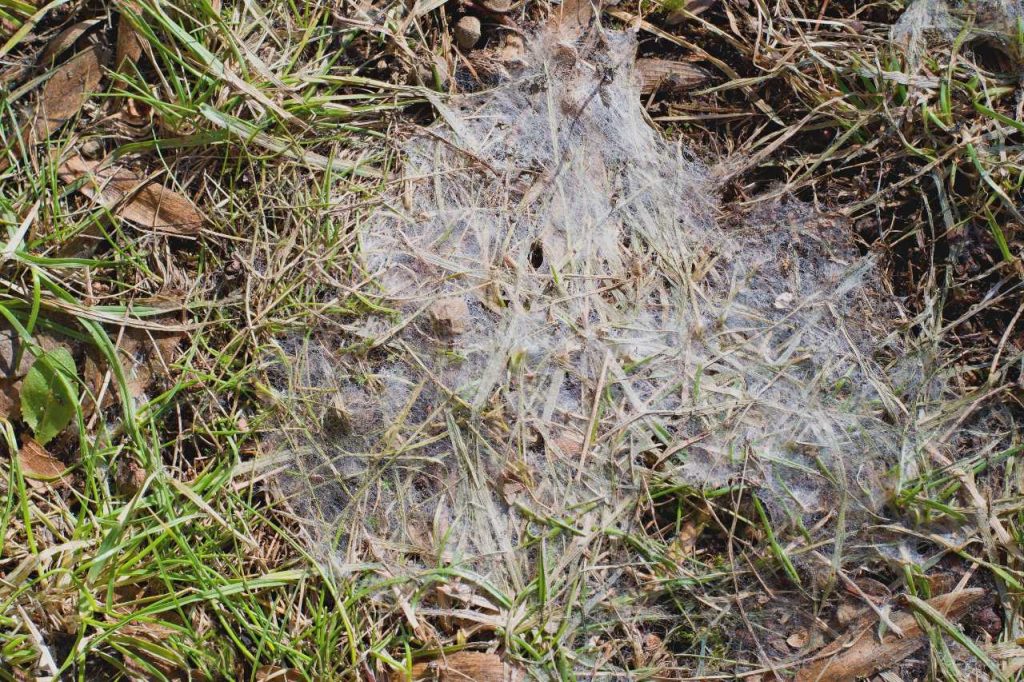
Every effective lawn treatment plan starts with a clear assessment. In the Tri-Cities, winter damage often shows up unevenly, making it easy to miss early warning signs.
Walk your entire lawn and look for bare or thinning areas, matted grass, and gray or discolored patches, especially in shaded spots, low areas, or along walkways where snow and foot traffic linger. These areas recover slowly and create openings for weeds.
Pay attention to soil conditions as well. Freeze–thaw cycles compact soil, restricting water and oxygen to the roots. If parts of your lawn feel hard or stay wet longer than others, compaction is likely part of the issue.
Step 2: Early Spring Clean-Up
Early spring clean-up sets the stage for everything that follows in your lawn treatment plan. Debris left behind from winter blocks sunlight, traps moisture, and slows down new, strong root growth just as the lawn is trying to wake up. Areas of dead grass or grass that doesn’t respond as temperatures rise often signal winter damage or soil issues.
Start by removing leftover leaves, branches, and any matted grass. A light raking helps lift flattened blades and improves airflow at the soil surface. This is especially important in shaded areas or spots where snow lingered longer.
Before the first mow of the season, make sure your lawn mower blades are sharp and set slightly higher to avoid stressing grass that’s just coming out of dormancy.
If your lawn has a thick, spongy layer just below the grass blades, light dethatching can help. Removing excess thatch allows water and nutrients to reach the roots more efficiently and reduces the risk of disease as temperatures rise.
Step 3: Soil Testing & Treatment Recommendations

Healthy lawns start with healthy soil. In the Tri-Cities, soil conditions vary widely from yard to yard, and winter moisture combined with cold temperatures can throw off nutrient balance by spring.
Low levels of organic matter can limit nutrient retention and moisture balance, making it harder for grass to recover after winter. Soil testing helps identify pH issues and nutrient deficiencies that limit grass growth. When pH is too high or too low, grass can’t properly absorb key nutrients, even if fertilizer is applied. That often leads to thin growth and uneven color.
Testing in early spring gives you time to correct issues before the growing season ramps up. Adjusting soil conditions early helps fertilizer work more effectively, supports stronger root development, and improves overall lawn resilience heading into summer.
Step 4: Aeration & Overseeding for Renewal
Winter freeze–thaw cycles and foot traffic compact soil, making it harder for water, oxygen, and nutrients to reach grass roots. In the Tri-Cities, aeration and overseeding are often most effective by mid April, once the ground has thawed and moisture levels are more consistent. Aeration relieves that compaction by opening the soil and improving overall root health.
Early spring is also a good time to overseed thin or bare areas. Spreading new grass seed after aeration helps fill gaps before stubborn weeds move in and encourages thicker, more even growth.
Timing matters, too. Overseeding works best once soil temperatures begin to rise and moisture levels are consistent. Paired together, aeration and overseeding help reset the lawn and support stronger growth throughout the season.
Step 5: Launching Your 2026 Fertilizer Plan

After winter dormancy, lawns need nutrients to rebuild roots and support new growth.
Most Tri-Cities lawns are made up of cool-season grasses, which respond best to early spring fertilization that supports root recovery and steady growth as temperatures rise. Warm-season grasses, which are less common in the Tri-Cities, require a different fertilization timeline and typically don’t benefit from early spring feeding.
Early spring and early summer fertilization provides that boost and helps grass recover more evenly as temperatures rise.
Nitrogen plays the biggest role early in the season, supporting leaf growth and color. Balanced applications also supply phosphorus and potassium, which strengthen roots and improve stress tolerance.
A seasonal fertilizer and lawn care schedule matters just as much as the first application. Feeding the lawn in stages helps maintain steady growth, prevents nutrient overload, and supports healthier turf throughout the 2026 growing season.
Step 6: Early Weed Control Strategies
Weed control timing is based on soil temp, not the calendar, which is why early applications matter. In the Tri-Cities, many problem weeds begin developing before lawns fully green up, competing for space, water, and nutrients.
Applying weed control early helps stop weeds before they establish deep roots or spread across thin areas of turf. Pre-emergent treatments are especially effective at preventing common spring and summer weeds from taking hold.
Addressing weed pressure now reduces the need for more aggressive treatments later and helps the lawn grow thicker and more evenly as the season progresses.
Step 7: Watering Adjustments for Spring
Spring watering sets the tone for the rest of the season. In the Tri-Cities, early spring temperatures and moisture levels can vary, so it’s important not to overwater too soon.
Start by watering only when the top layer of soil begins to dry. This encourages roots to grow deeper rather than staying shallow near the surface. As temperatures rise, gradually increase watering frequency to match lawn growth and weather conditions.
Smart early-season watering supports stronger roots, improves drought tolerance, and helps new growth hold up better as summer approaches.
Step 8: Long-Term Benefits of a Consistent Lawn Treatment Plan
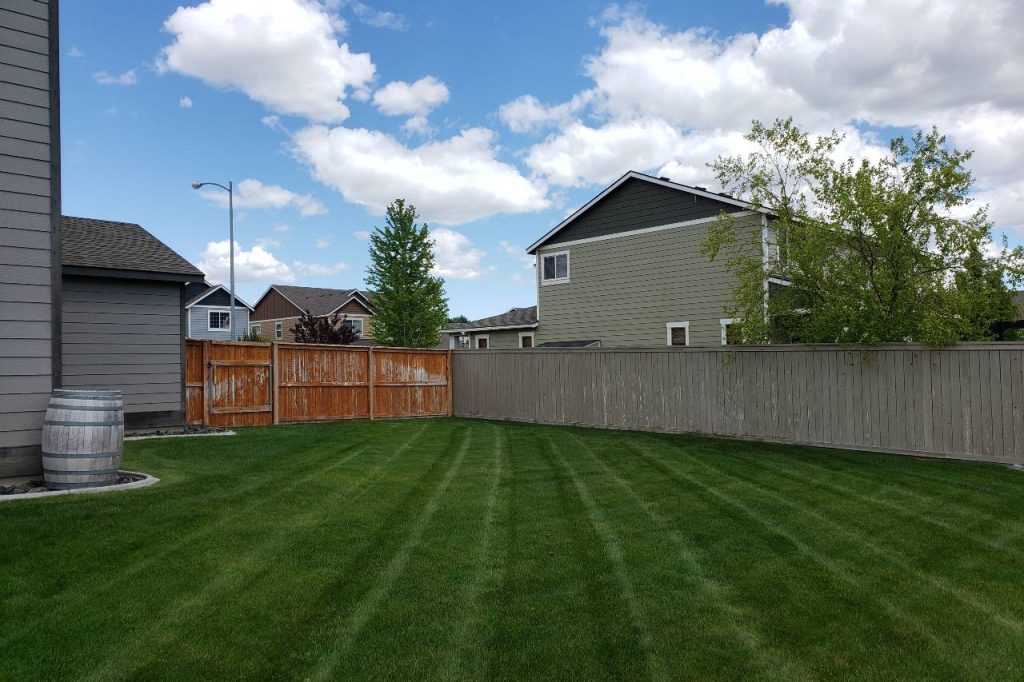
Lawns respond best to consistency. When treatments are timed correctly and applied throughout the season, grass experiences less stress and recovers faster from heat, drought, and foot traffic.
Over time, a steady lawn treatment plan leads to thicker turf, deeper roots, and more even color. Weed pressure decreases, bare spots fill in faster, and the lawn becomes more resilient during the toughest parts of the year.
Starting strong in spring helps prevent many common summer problems. Consistent care keeps the lawn healthier, more attractive, and easier to maintain as the season progresses.
Getting Your Lawn Ready for 2026
In the Tri-Cities, early spring care sets the direction for the entire season. Creating a lawn treatment schedule addressing winter stress, soil conditions, and weed pressure now helps lawns grow thicker, stronger, and more resilient as summer approaches.
A consistent lawn treatment plan removes the guesswork and keeps each step timed correctly, from fertilization to watering and weed control. The result is a thicker, greener, more beautiful lawn heading into summer.
Ready to build your lawn care maintenance plan for 2026? Contact Birch’s Lawn Care to schedule your early-season evaluation and build a professional treatment plan tailored to Tri-Cities conditions. Get a free estimate today!